Schmalz

Suction pad material HT1-ESD

Sensitive electronics perfectly handled – minimized marks, maximized ESD protection

Clean surfaces

Through minimized marks during handling

Maximum component safety

Due to ESD protection

Reliable at high temperatures

Up to 170 °C
Safe handling of sensitive electronic components

There are no second chances in electronics manufacturing. One tiny mark, one electrostatic discharge and entire batches are unusable. Not with us! Our suction cups offer handling with minimized marks, optimum ESD protection and outstanding temperature resistance.

The most important facts about the new material

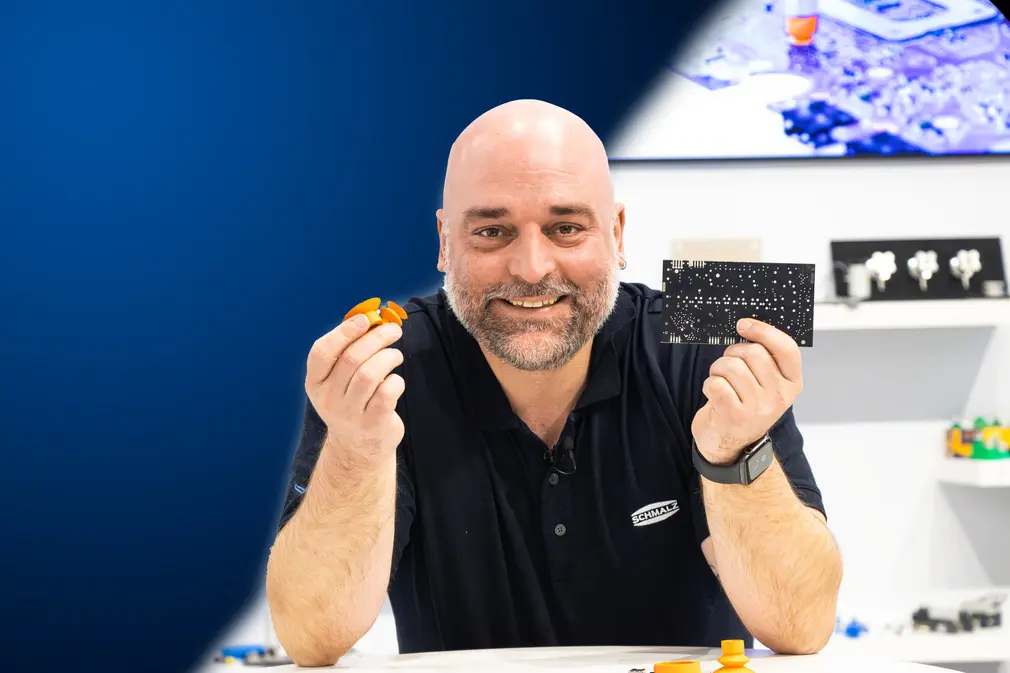
One minute with our industry segment manager

From production to final assembly

The suction cups made of the material HT1-ESD accompany every handling process in the production of final products, consumer electronics and home appliances – from complex end devices such as printed-circuit boards in cell phones to household appliances such as refrigerators.

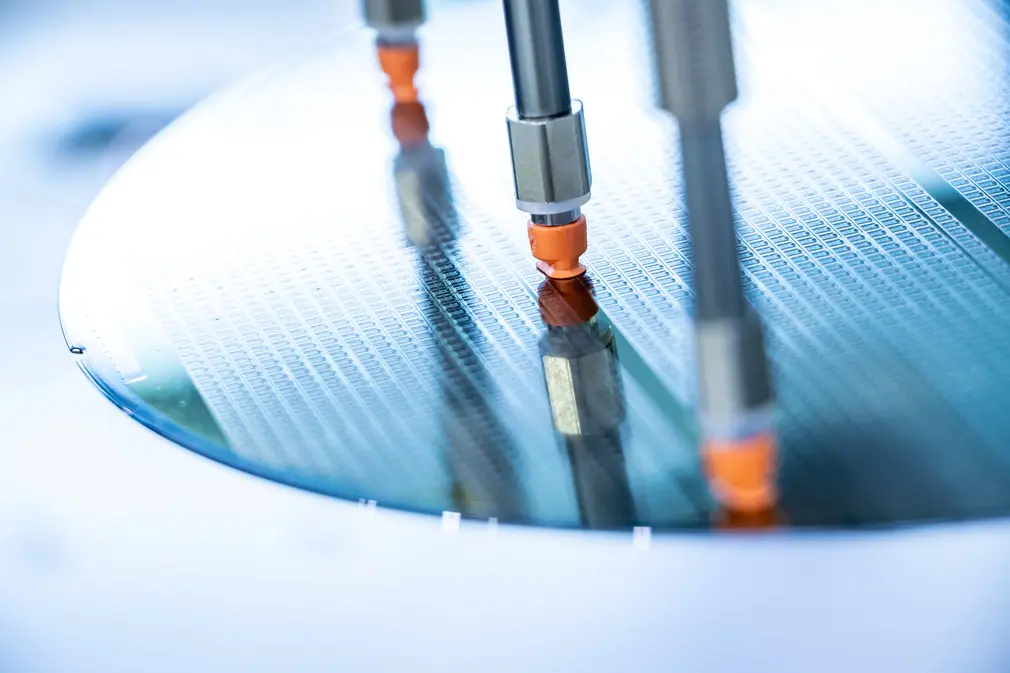
Semiconductor and chip production

Semiconductor and chip production

PCB assembly

PCB assembly

Display glass and substrates

Display glass and substrates

Loading and unloading between processes

Loading and unloading between processes

Final assembly and packaging

Final assembly and packaging

Schmalz as an expert in material development

Schmalz stands for technological excellence in Vacuum Automation – and for innovation that begins in the detail: in the material. As a technology leader, we don't just develop intelligent automation solutions, we also develop the materials that make these solutions possible. Our material technology is unique: from recipe development through systematic testing to series production – everything is done in-house. State-of-the-art production technology and strictly defined quality standards are used to create high-performance suction cups precisely tailored to your requirements, making your processes safer, more efficient and more sustainable. The result: materials such as HT1-ESD that are exactly matched to your requirements – developed, tested and produced to the highest standards.

Your advantages at a glance

Two proven materials, one breakthrough solution

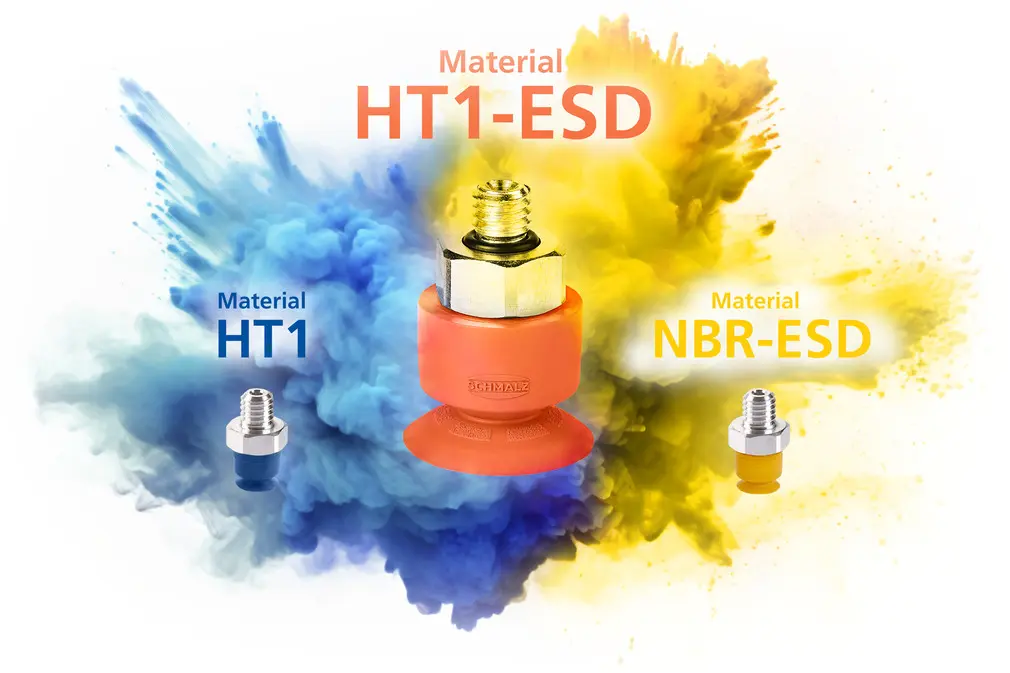
The innovative suction cup material HT1-ESD combines the proven materials HT1 and NBR-ESD for maximum efficiency and uncompromising quality. This allows us to make optimum use of the advantages of both established materials and set new standards for handling sensitive components.

Two proven materials, one breakthrough solution

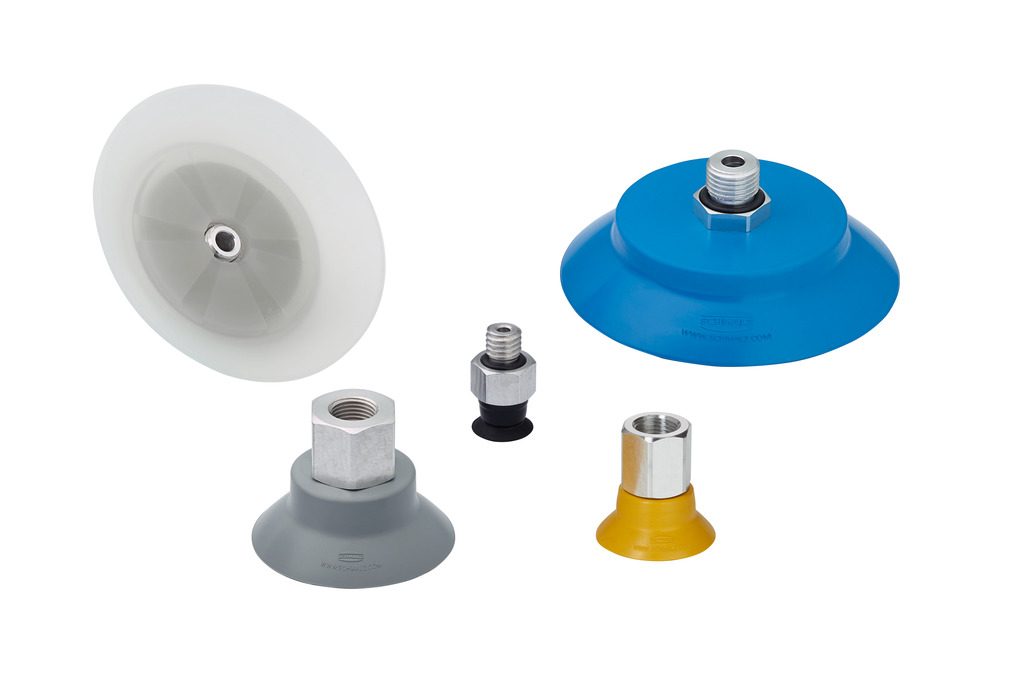
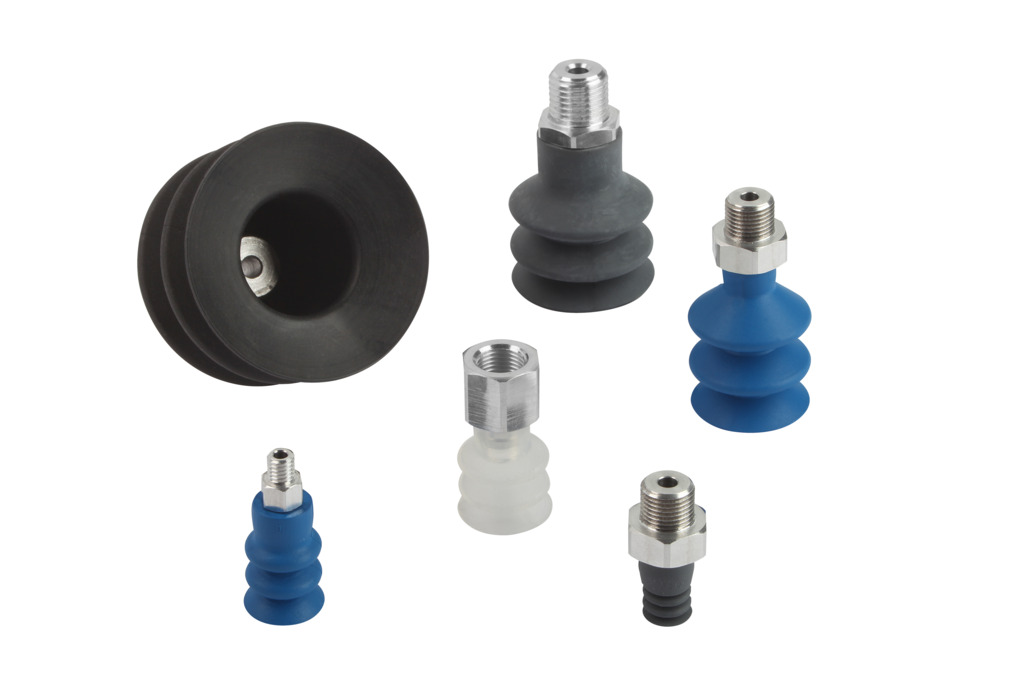
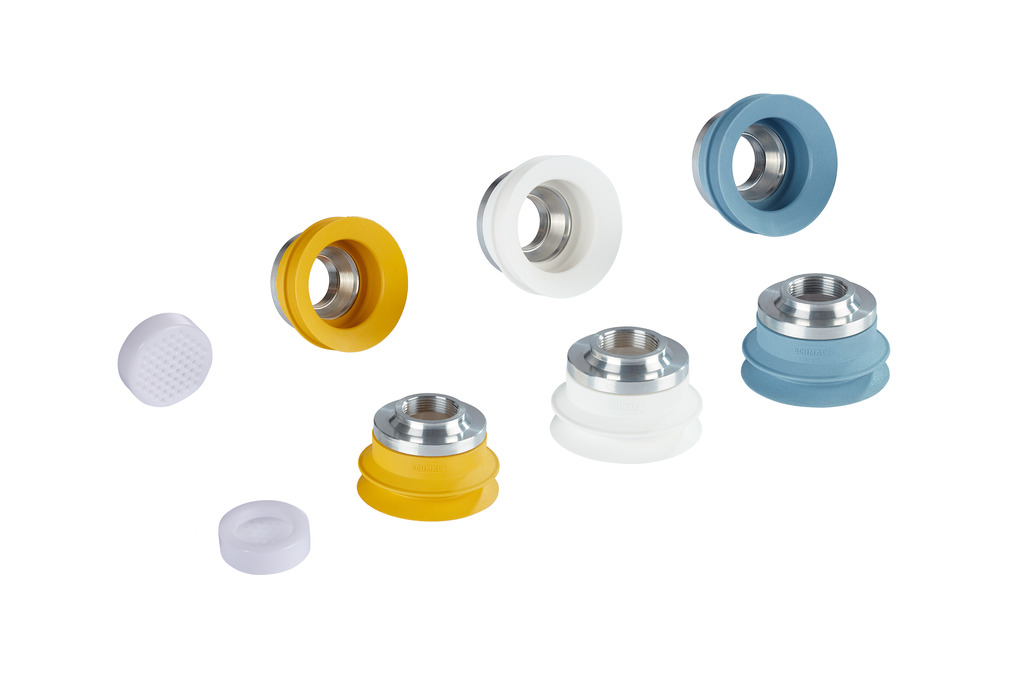
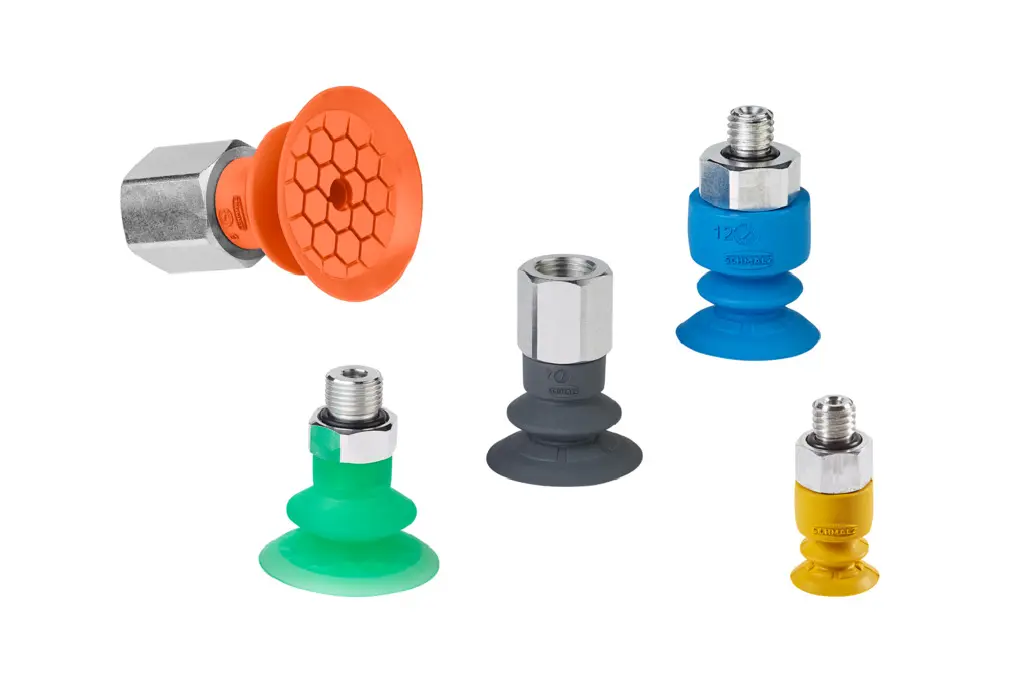
Suitable suction cups for your application

The suction cups made of the new material HT1-ESD are available in different shapes to suit the variety of workpieces and use cases.

FAQ: Frequently asked questions

What is the material HT1-ESD and how does it differ from other suction cup materials?

HT1-ESD is an innovative suction cup material that combines the proven advantages of the already established materials HT1 (high-temperature resistance, minimized marks) and NBR-ESD (ESD protection without additional conductive carbon black). Unlike conventional alternatives, suction cups made of the material HT1-ESD deliver optimal electrostatic discharge protection, eliminate unwanted marking, and maintain temperature resistance up to 170 °C – without compromising on the quality of the suction cup. This ensures that the surfaces of your components remain clean and no damage is caused. Developed specifically for demanding electronics and glass manufacturing, the material HT1-ESD sets new standards in service life.

Why is the material HT1-ESD free of conductive carbon black and why is this important?

Many conventional suction cups with ESD protection use conductive carbon black to control electrostatic discharges. The problem: carbon black particles can detach with wear, causing contamination and loss of yield. In addition, suction cups with conductive additives can run the risk of unpredictable resistance variance.

The material HT1-ESD is completely free of conductive carbon black and instead uses dissipative material compositions (resistance range 10⁶-10⁹ Ω), which ensure safe potential equalization – without particle emission.

Up to what temperature can I use suction cups made of the material HT1-ESD?

Temperature resistant up to 170 °C. Our suction cups retain their mechanical and chemical properties without damage, cracks or material degradation even at high temperatures during short-term processes. This makes them ideal for high-temperature processes such as lamination, testing of electronic components or other thermally demanding production steps.

The temperature resistance of the suction cups depends on the suction cup wall thickness and the environmental influences.

How does ESD protection work with the material HT1-ESD?

It is a dissipative material with a specific resistance range of 10⁶ to 10⁹ Ω. Voltages applied to the workpiece are discharged in a controlled and damage-free way – without sudden discharges that could damage sensitive components. In contrast to coated solutions, the ESD performance remains constant over the entire service life.

Do suction cups made of the material HT1-ESD leave marks on sensitive surfaces?

The material HT1-ESD has been specially developed for handling with leaving minimized marks. Thanks to minimized chemical residues, surfaces remain clean – particularly important for display glasses, semiconductors and high-quality electronic components. This significantly reduces rejects and post-processing operations.

How long do suction cups made of the material HT1-ESD last compared to standard materials?

The material HT1-ESD impresses with its high ozone resistance and wear resistance, which significantly extends the service life of the suction cups. This means less maintenance, less downtime and lower operating costs. This pays off, especially in 24/7 production environments.

For which applications is the material HT1-ESD suitable?

The material HT1-ESD is ideal for all handling processes in electronics manufacturing, including

  • Raw material handling
  • Semiconductor and chip production (frontend & backend)
  • Wafer handling
  • PCB assembly
  • Display glass, battery and substrate handling
  • Loading and unloading between process steps (laser drilling, lamination, inspections)
  • Handling of complex circuit boards and during mounting
  • Automation steps for routing
  • DIE pick-and-place operations
  • Automation for photolithography / stepper and reeling
  • Testing
  • Backshell production and wire bonding
  • Transport to final assembly, boxing and packaging

Wherever ESD protection, high-temperature conditions and protection from unwanted marks are critical.

Can I integrate suction cups made of the material HT1-ESD into existing systems?

Yes, suction cups made of the material HT1-ESD are available in various shapes and can be integrated into existing vacuum gripper systems. Our experts will be happy to help you select the right suction cups for your specific application.

Get in touch and test now

Are suction cups made of the material HT1-ESD also available for small or irregularly shaped components?

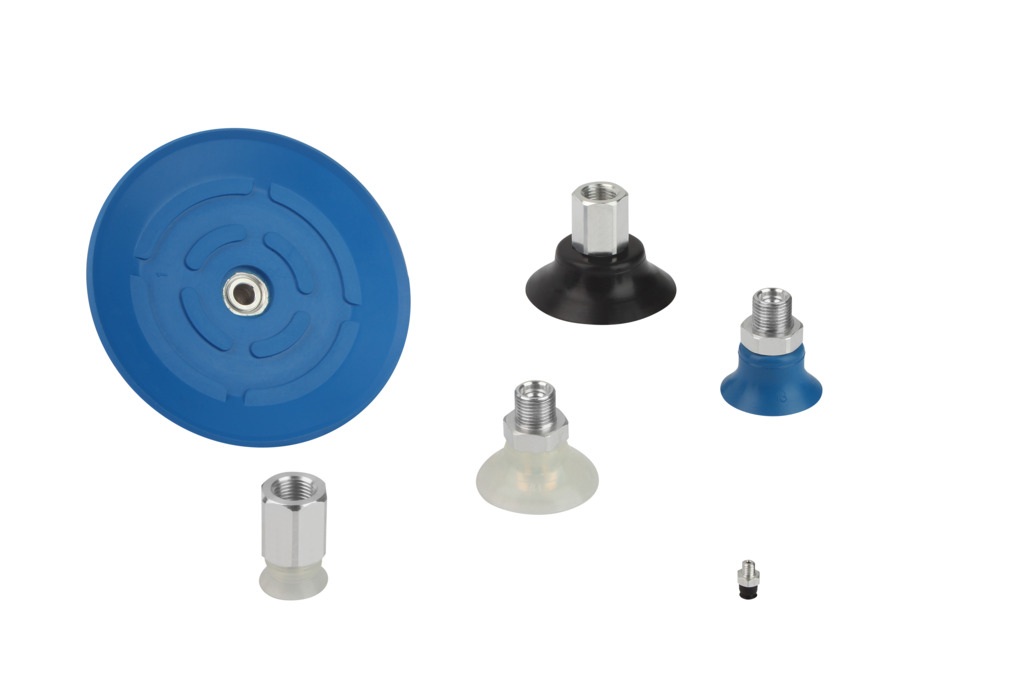
Yes, suction cups made of the material HT1-ESD are available in different shapes – from flat vacuum suction cups for large substrates to small, flexible suction cups for complex geometries. This is how we cover the variety of workpieces in electronics production.

Why should I choose the material HT1-ESD instead of conventional coated ESD suction cups?

Conventional coated ESD suction cups have a problem: the coating can flake off, which impairs flexibility and ESD performance. Suction cups made from the material HT1-ESD are uncoated – the material itself is dissipative. This means

✅ No detachment of coatings
✅ Constant ESD performance over the entire lifetime
✅ Higher reliability and less risk of failure

When should I choose suction cups made of the material HT1-ESD instead of standard material HT1 or NBR-ESD?

Choose the material HT1-ESD if you want to combine all the advantages:

  • Material HT1-ESD instead of HT1: If you need additional ESD protection (e.g. for sensitive semiconductors)
  • Material HT1-ESD instead of NBR-ESD: If you require high temperatures (up to 170 °C) and protection of workpieces from unwanted marks or want to benefit from high ozone resistance.

In short: The material HT1-ESD is the best choice if you don't want to compromise in electronics manufacturing.

How does the material HT1-ESD affect my production costs?

Automation solutions with suction cups made of the material HT1-ESD reduce costs on several levels:

Fewer rejects thanks to handling that leaves less marks and offers ESD protection
Longer service life reduces replacement and maintenance costs
Less downtime thanks to high reliability
Reduced risk of contamination saves rework and increases yield

Why Schmalz as a partner for vacuum grippers in electronics manufacturing?

Because Schmalz carries out the entire process in-house, from material development with formulation development and systematic test procedures to series production. This enables maximum reliability and precision for your requirements. Our specially developed materials such as HT1-ESD are precisely tailored to the high requirements of handling sensitive components. The result: high-performance suction cups that make your processes safer, more efficient and more sustainable – with guaranteed quality standards worldwide.

Schmalz Companies

Select your Schmalz Company in one of the following regions:

Regions

Your region is not listed?

Schmalz maintains an international sales network with sales partners in over 80 countries. Please select a language for our international website.

The URL you are trying to access is not in the correct language or country context.

The store channel associated with your account does not match the channel of the requested URL. To view prices or place an order, please switch to your user-specific channel.

0 products successfully added to cart

Go to shopping cart